G’day mate! Today we’re diving into the world of VPNs. If you’re anything like me, you’ve probably heard the term VPN thrown around a few times and wondered what all the fuss is about. In our increasingly digital world, a Virtual Private Network (VPN) can be a lifesaver when it comes to protecting your data and privacy. So, let’s get stuck in and explore why VPNs are essential for both home and business use—in plain Aussie English.
What Exactly is a VPN?
A Virtual Private Network, or VPN for short, is a tech marvel that creates a secure, encrypted connection between your device and a remote server. It’s called ‘virtual’ because you’re not laying out cables, ‘private’ since your data is encrypted, and ‘networked’ because it involves a group of computers to support that secure connection. Think of it as your online invisibility cloak.
Why You Should Consider a VPN
Secure Your Data
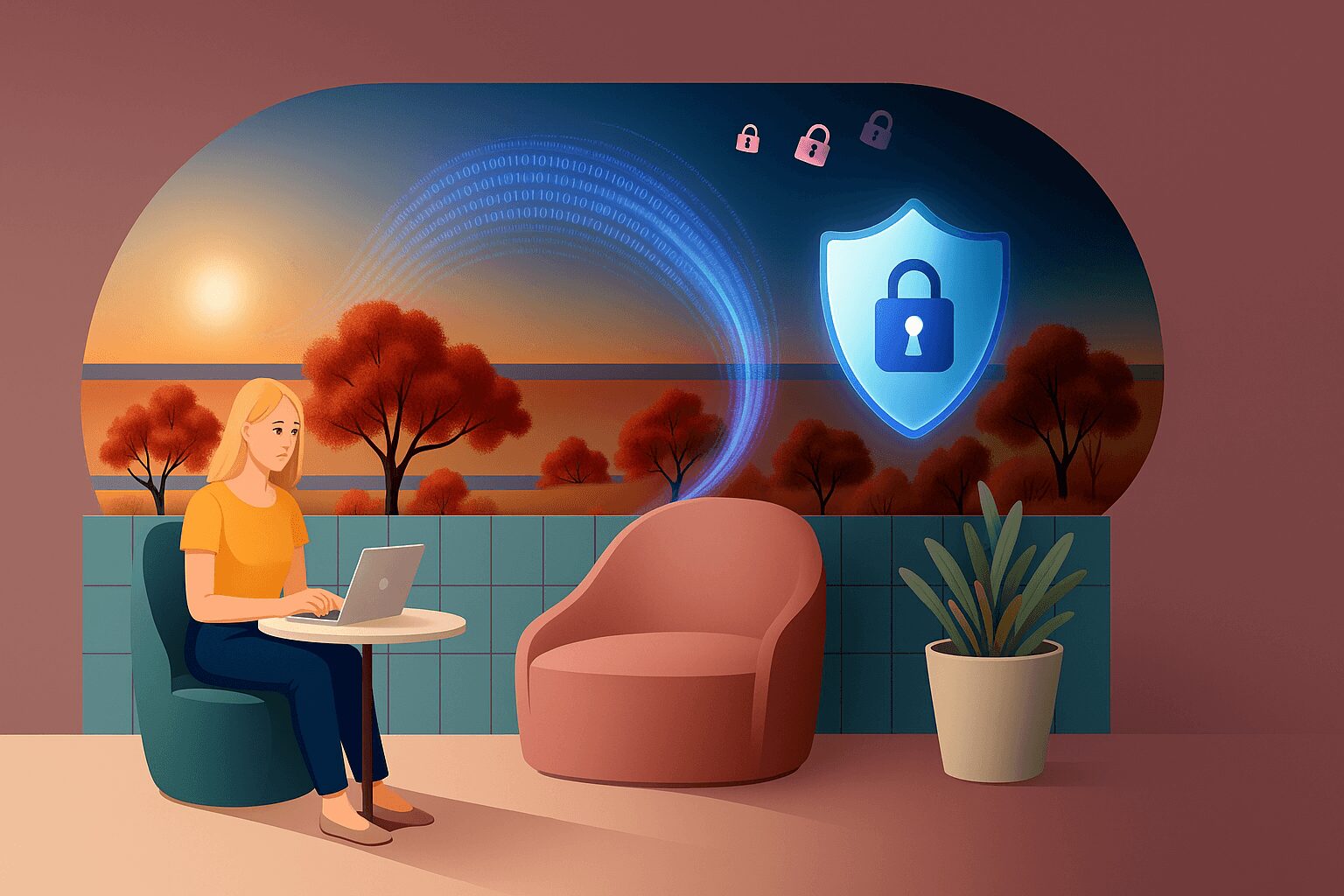
Security is one of the most important aspects of using a VPN. Imagine you’re sitting in a café, sipping your flat white, and tapping away on your laptop. Little do you know, there could be hackers lurking over that unsecured public Wi-Fi like seagulls at a footy game. VPNs help by encrypting your data, like emails or payment info, making it unreadable to anyone other than you and your destination. This is especially crucial if you’re working remotely and accessing company resources.
Enhance Online Privacy
Your internet service provider (ISP) knows where you’ve been online, which can be quite concerning. With the help of a VPN, you can mask your IP address and location, turning you into a ghost in the machine. This makes it difficult for ISPs, advertisers, and other third parties to track and sell your browsing habits, ensuring your online escapades stay private. In an age where targeted ads can feel incredibly intrusive, a VPN keeps the nosy parkers at bay.
Access Geo-Restricted Content
We’ve all been there—finding out that your favourite show or sports event is only available in another country. Here’s where a VPN can help. By making it appear as if you’re accessing content from a different location, you can bypass geo-restrictions and enjoy your beloved programs no matter where you are. This is particularly handy for expats or globetrotters missing home content while abroad, or for accessing content from restricted regions.
Bypass Censorship and Surveillance
In some places, governments restrict access to information online. A VPN can help bypass these barriers, opening up access to information and maintaining internet freedom, just like a trusty set of bolt cutters on a rusty lock. By encrypting your traffic, VPNs prevent snooping and allow you to surf the web as it was meant to be—free and open.
Prevent ISP and Third-Party Tracking
Did you know ISPs can log and track your browsing habits, sometimes selling this data to advertisers? A VPN acts like your online bouncer, preventing ISPs from snooping over your shoulder. This means your browsing history stays yours, so you can explore the web with peace of mind knowing Telstra or Optus can’t sell your secrets.
Dodging Data Throttling
If you’ve ever noticed your internet slowing down during streaming or gaming, it could be your ISP throttling your connection. A VPN stops this by disguising your activity from your ISP, providing consistent speeds no matter what you’re doing online. So, next time you’re streaming the latest Aussie series, you won’t have to worry about interruptions.
Safe Use of Public Wi-Fi
Public Wi-Fi networks are notorious for being unsecured, making them a goldmine for cyber crooks. Using a VPN ensures your data is encrypted, even on unsecured networks. This is perfect for anyone who regularly works from cafés or airports—safeguarding your sensitive information from prying eyes.
Business Benefits of VPNs
Cost-Effective Scalability
VPNs significantly reduce the cost of maintaining in-house IT infrastructures. Providers handle security, performance tests, and daily maintenance, freeing up time for businesses to focus on growth. They also allow secure simultaneous access for remote workers, making expanding your business as easy as a game of backyard cricket.
Boost Productivity
VPNs can beef up your company’s productivity by enabling easy access to corporate resources from anywhere. This flexibility lets employees work from the bush or the beach without missing a beat. Reducing the need for physical presence saves commuting time, making way for a swift response to business needs and boosting efficiency.
Fortifying Endpoint Security
In today’s remote work environment, endpoint security is crucial. A VPN encrypts all data sent from your devices, reducing the risk of data breaches and cyberattacks. This ensures your business’s sensitive information remains as protected as a meat pie at the footy.
Security and Privacy Features to Look For
Encryption
Always check for strong encryption protocols, such as 256-bit encryption. It’s considered military-grade and offers a substantial barrier against unwanted access. It’s like having state-of-the-art security systems for your online data.
No-Log Policies
Some VPN services, thankfully, don’t keep logs of your online activities. This ensures anonymity and peace of mind, knowing even the VPN provider can’t spill the beans on what you do online.
Kill Switch
An often overlooked but vital feature is a kill switch. If your VPN connection suddenly drops, a kill switch immediately cuts your internet connection, preventing any unprotected data from slipping through the cracks unawares.
Conclusion
Using a VPN is a game-changer for improving security, privacy, and accessibility online. Whether you’re securing personal data at home or ensuring business integrity on the go, a VPN gives you reliable protection with a multitude of benefits. In today’s digital age, making an informed decision about using a VPN could make all the difference in safeguarding your online presence. With these insights, you’ll bolster your online defences like a seasoned lifesaver protecting Australia’s beaches. Stay safe and browse happily!